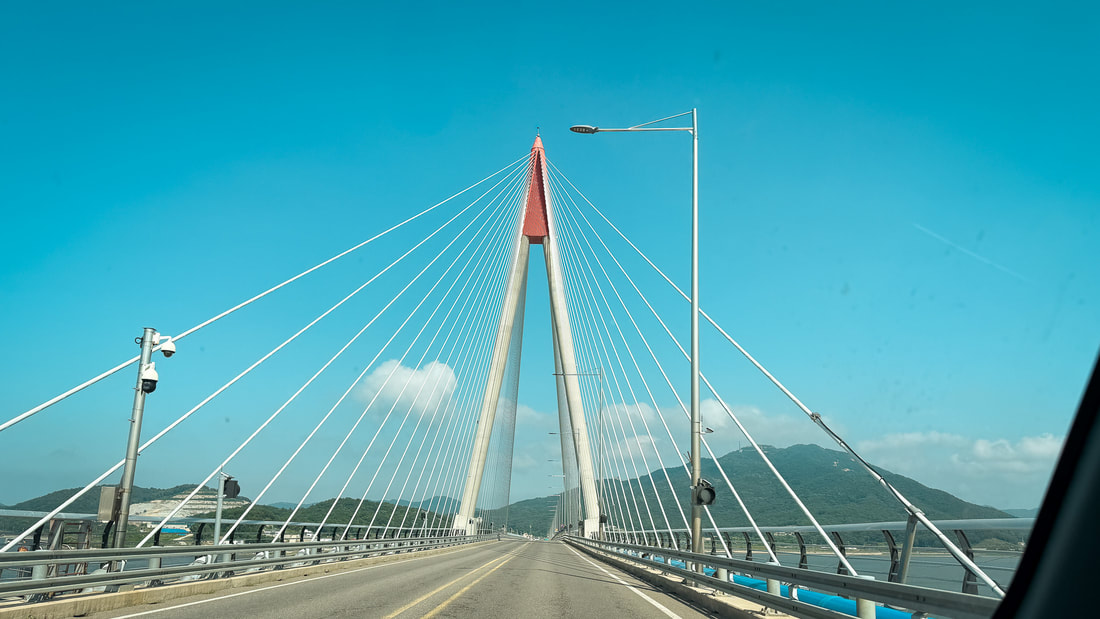
Renting a car is one of the best ways to explore more rural areas of South Korea that are difficult to reach by public transportation, especially places like Jeju Island, national parks, and smaller coastal towns. Even though driving in Korea is surprisingly similar to driving in the United States, there are a few important differences you’ll want to know (and paperwork you’ll want to have) before getting behind the wheel and beginning your adventure. Beginning with getting your International Driving Permit, you’ll also want to understand the toll roads, tips on tight parking, and which navigation apps apps to use.

My Essential Korea Travel Resources :
There are plenty of travel companies out there, but these are my favorite websites and resources for planning an unforgettable trip to South Korea. This post may contain affiliate links, which means I may earn a small commission at no extra cost to you. Learn more here.
🚙 Car rentals, although not common in Korea, are best through Discover Cars – just make sure to have a copy of your international driver’s permit with you!
🏨 I always use AGODA to compare hotels & prices in Asia.
📶 To keep cell phone service, I use Airalo’s easy to purchase eSIM’s (no installation required).
📸 For fun things to do, Klook specializes on tours in Asia, otherwise Viator also does the trick.
🦋 Just in case, Safetywing is the insurance I always use when visiting a new country.
🧳 Lastly, my essential packing list when visiting Korea.
Planning to Drive in South Korea

The most important thing to have before you begin driving through Korea is your IDP, or your International Driving Permit. These are pretty easy to get if you have a driver’s license in the US, all you need to do is stop by a AAA office, pay the $20 fee, and they’ll issue your IDP right there. My husband Tyler has done this the last few times we’ve visited Korea, and the entire process is super simple, easy, and quick – and really only takes about 10 minutes.
When you go to pick up your rental car in Korea, you’ll typically need your passport, original driver’s license from the country you’re visiting from, your International Driving Permit, and a credit card for the rental. Depending on the company, you might also have the option to add additional insurance onto the rental for extra peace of mind.
Before deciding to rent a car, it’s worth planning out where you’ll actually be traveling. Personally, I don’t recommend renting a car if you’re planning to stay in larger cities like Seoul, Busan, or Incheon. Public transportation is everywhere in these cities, super easy to use, and honestly traffic in these cities can last forever and be very overwhelming, with very limited parking. However, if you’re planning to visit places like Jeju Island, Seoraksan National Park, the East Coast or Korea, or some of Korea’s smaller cities and rural areas, renting a car makes exploring much easier.

It’s also worth noting that South Korea is a country with toll roads. Depending on your rental car, it may come with a Hi-Pass, which allows you to drive straight through open toll lanes without stopping. This is the easiest option. Otherwise, you’ll need to grab a ticket when entering the highway at the toll booth and pay when you exit, with the price depending on how far you’ve driven from where you grabbed your ticket. Most toll booths now accept credit cards, or cash, but it’s always worth it to ask your rental company about a Hi-Pass card beforehand. If for some reason you get stuck at a toll booth, there’s usually a “help” button you can press that will call someone out to come help you.
My last tip before you start driving in Korea is that you shouldn’t rely on Google Maps for driving directions. Instead, you’ll want to download either NAVER Maps or Kakao Map before your trip. Both apps have much more accurate directions and are what locals use for everyday navigation.
My Must-Do Tours Around Seoul :
-> DMZ & Suspension Bridge Tour
What It’s Actually Like Driving in South Korea

Like I mentioned earlier, driving in South Korea is actually pretty similar to driving in the United States – with a few major differences. Unlike the US, there are cameras everywhere in Korea, space in Korea is also extremely limited and usually results in smaller cars, narrow driving lanes, and extemely tight parking spaces. Unless you’re confident in your parking skills, I would avoid driving around Seoul altogether. If you get stuck in traffic you could be there for hours, so you’ll save a lot of time just by using public transportation like buses and subways. Outside of Seoul, the roads are a lot easier to navigate, and having a car is one of the easiest ways to explore more places that are off the beaten track.
One thing that surprises most visitors is how strict Korea is with traffic enforcement, like speeding and not following traffic rules. If you’ve visited Korea before, you’ve probably noticed cameras everywhere in public (hello CCTV), and the same goes for on the roads. Because of this I highly encourage you to follow the speed limit and traffic laws – if you don’t there’s a pretty good chance your rental company will get a photo and bill charged to them, and they’ll simply forward the charge to you or fine the credit card you had on file for your reservation.
Road signs in Korea are very similar to the United States, and usually you can somewhat guess what they mean based on the graphic. Most signs have the direction and location you’re heading towards in both Korean and English, although you’ll find that names in English can be pretty long and difficult to read while driving. Thankfully, as long as you have NAVER or KakaoMaps downloaded you should be fine. One of my favorite things about driving in Korea is that maps and directions will often tell you to follow a colored line, like the blue or pink line (which is literally painted on the road) and you can follow it to whichever exit you need. You’ll also see those same colored lines on overhead road signs, which makes it really easy to stay in the correct lane when you’re not sure where to go.

One thing I’ve never seen in other countries is Korea’s focus on preventing sleepy driving. Even though Korea is small and you can drive the entire country in just a few hours, there are many unique features that have been put in place to help drivers stay alert. Korea’s highway rest stops are honestly some of my favorite parts of any road trip. Unlike in the US, they have clean bathrooms, large food courts, cafes (including robots that will make your coffee), convenience stores, stores to shop at, and sometimes even small parks and observation decks where you can stretch your legs.
The other features to prevent sleepy driving are a little more entertaining. As you drive throughout Korea, you’ll sometimes notice fake construction workers and fake flashing police lights that are designed to grab your attention to keep you alert. If you find yourself driving through a long tunnel or across a large bridge in Korea, you might also hear music or fake conversations that are played through speakers. Some even have coloful lights and designs to keep drivers awake. It definitely takes some getting used to when you’re driving in Korea, but considering Korea is known for having one of the most sleep-deprived populations in the world, it actually makes a lot of sense.
Overall, I think driving in South Korea is much easier than many people think! As long as you have an International Driving Permit, use NAVER Maps or Kakao Map for navigation, and avoid driving through central Seoul or other major cities, you’ll probably have a great experience!
Watch My Korean Road Trip Adventures Here!
Pin this Post for Later!


Leave a Reply